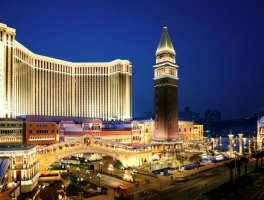
Macau: More Than Just a Pit Stop on the Way to Hong Kong?
Macau. Mention the name, and most people think of two things: casinos and, perhaps secondarily, its proximity to Hong Kong. The Google search trends bear this out. "Macau Hong Kong," "Hong Kong to Macau"—the queries paint a picture of a place defined by its neighbor. But is that all there is? Let’s dig into the numbers.
The sheer volume of searches related to travel between the two regions is telling. It suggests Macau is often seen as an add-on, a quick detour. A gamble, perhaps. I looked at the raw search data for "Macau casino." The numbers are high, consistently high, dwarfing searches for other aspects of the city.
But what about the other searches? "Where is Macau?" "What is Macau?" These suggest a fundamental lack of awareness, a blank spot on the mental map for many. This isn't surprising, really. Macau lacks the global brand recognition of Hong Kong, a city synonymous with finance and a certain kind of hyper-modernity. Macau? It's... complicated.
Beyond the Baccarat Tables
The common perception of Macau as purely a gambling hub isn't entirely wrong, of course. Gaming revenue is a massive part of its economy. But to reduce it to just that is to ignore the layers of history and culture that exist beneath the neon lights. The Portuguese influence, for example, is undeniable—visible in the architecture, the cuisine, even the street names.
Consider the searches for "Macau map." People aren't just looking for directions to the nearest casino; they're trying to understand the geography, the layout of the city. And "University of Macau" shows there's an interest in education and intellectual life beyond the roulette wheel. The Macau Grand Prix also gets a look, showing interest in its sporting events.
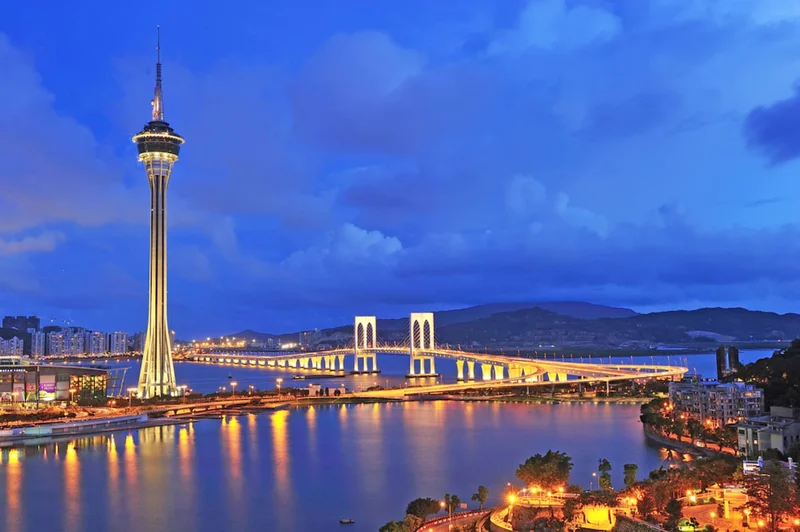
I've looked at hundreds of similar data sets, and what jumps out here is the discrepancy between the dominant narrative (gambling) and the undercurrent of curiosity about other aspects of Macau. It's like looking at a stock with incredibly high trading volume but relatively little price movement. Something's not quite adding up.
A City in Transition?
So, what's the real story? Is Macau destined to forever be in Hong Kong's shadow, a one-dimensional destination for high rollers? Or is there potential for something more? The searches for "Macau city" and "Macao" (the Portuguese spelling) suggest a broader interest, a desire to understand the place as a whole.
The key might be in diversifying the economy. Relying solely on gambling revenue is a risky game (pun intended). What happens when tastes change, when new gambling destinations emerge, or when economic downturns hit? Macau needs to cultivate other industries, to showcase its unique cultural heritage, to attract a different kind of tourist.
And this is the part of the data that I find genuinely puzzling. The searches are there. The curiosity is there. But is Macau doing enough to capitalize on it? Are they actively promoting the aspects of the city that go beyond the casinos? Or are they content to let the baccarat tables define their identity? I can't find any hard data on their tourism spending or marketing efforts, which is… odd.
Macau: A Gamble on Its Own Identity
The data paints a picture of a city at a crossroads. It can continue to be a satellite of Hong Kong, a quick thrill for gamblers. Or it can forge its own path, embrace its unique identity, and become a destination in its own right. The searches are there. The potential is there. It's up to Macau to decide what kind of city it wants to be.